


Western Riding: Master the Basics with Professional Insight

The Western saddle may look like the obvious choice for a beginner, but a comfortable seat alone doesn’t determine which riding style is right for you. Western riding grew from ranch work, and riders typically hold the reins in one hand while using their seat and body weight to communicate with the horse.
If you’re new to riding, you may wonder whether Western riding is easier to learn and what to understand first. Its supportive saddle and distinct cues can make it approachable, but balance and clear communication still take practice.
This guide covers the foundations, including how neck reining and weight shifts help direct a horse. It also looks at breeds commonly associated with Western disciplines and the traits that make them familiar in this setting, giving you a clearer picture of the style and how riders learn its basics.
Table of Contents
What Is Western Horseback Riding?
Western horseback riding grew from ranch work in America, where cowboys needed comfortable, practical tack. Its saddle and reins distinguish it from English riding.
English and Western Saddle Differences
An English saddle is smaller and lighter, allowing closer contact. Its modern design was shaped by fox hunting in the 18th century. A Western saddle is larger and distributes the rider’s weight across more of the horse’s back. Its horn secured ropes during cattle work, not riders’ hands. Split or loop reins support one-handed control, while tapaderos may cover the stirrup fronts.
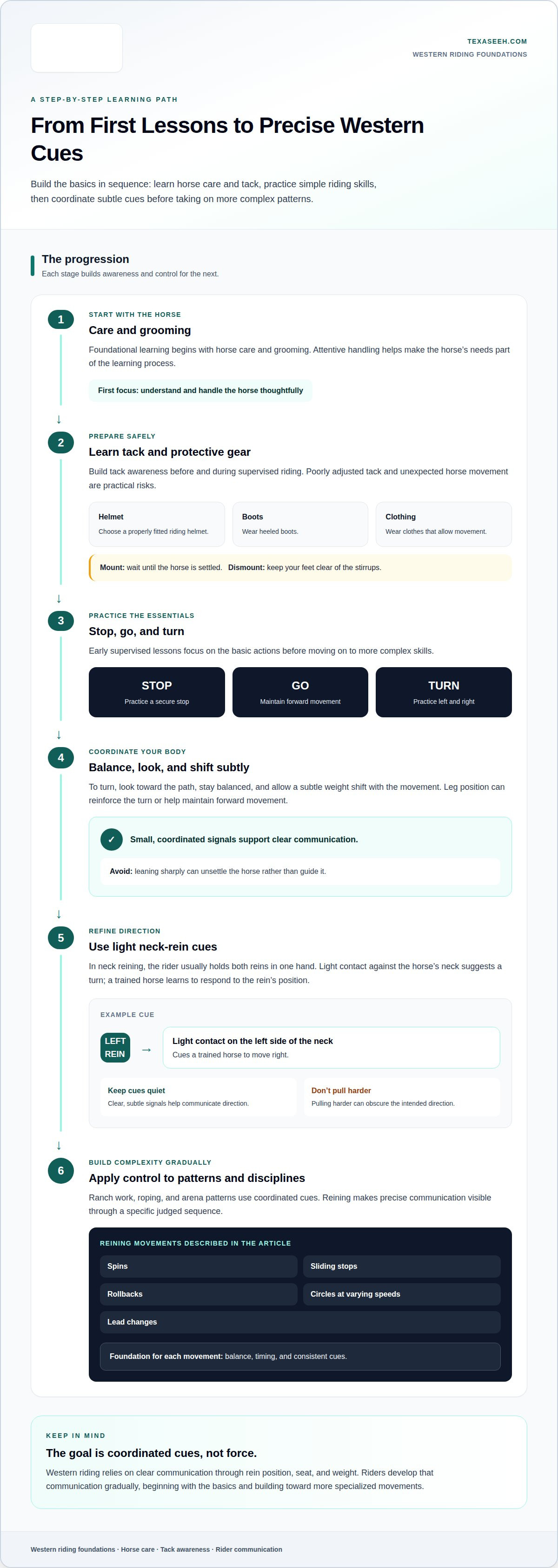
Learning Western Riding Basics
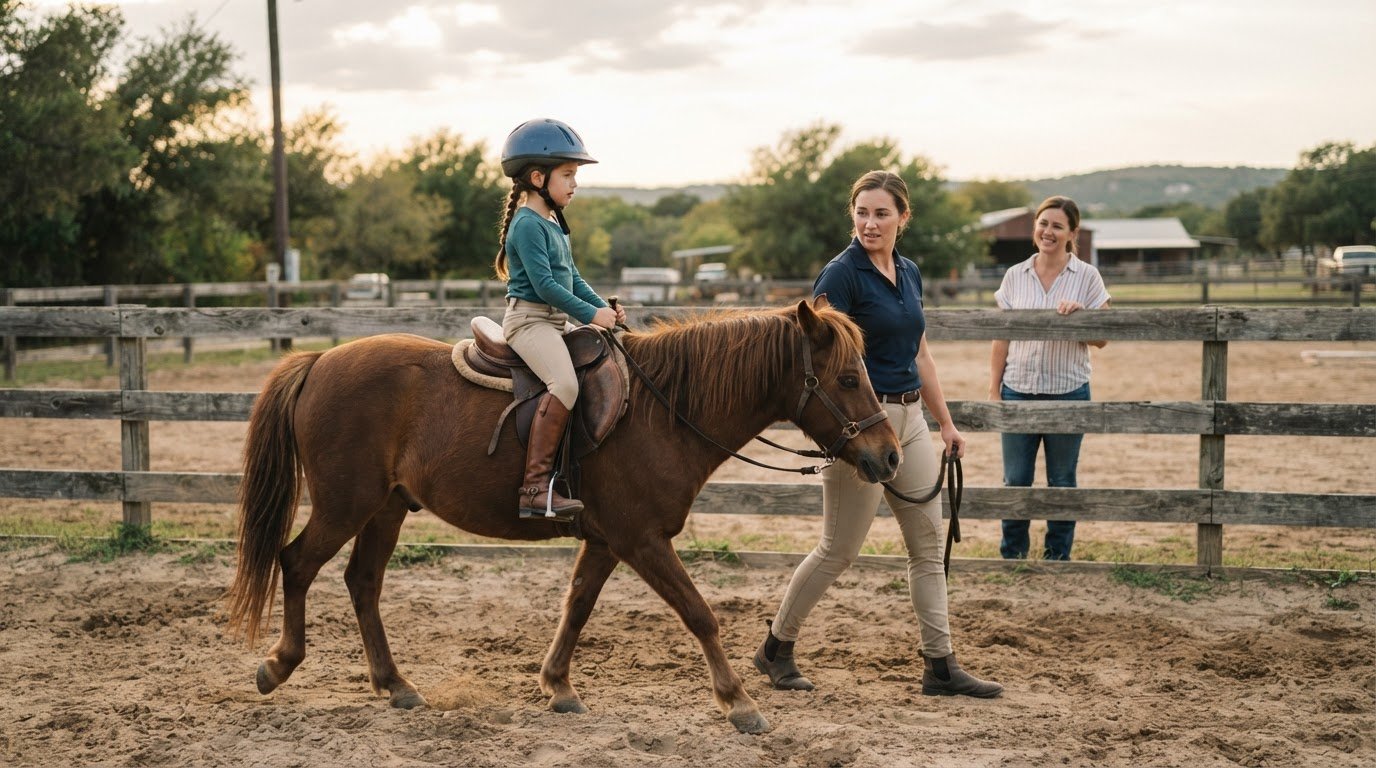
Learning starts with horse care and grooming, then tack awareness and supervised riding. Early lessons focus on stopping, going, and turning left or right before more complex skills. In the United States, costs vary with lesson frequency, location, equipment choices, and ongoing horse-care needs. To find nearby lessons or stables, search by location for Western instruction and beginner lessons.
Rider Safety and Protective Gear
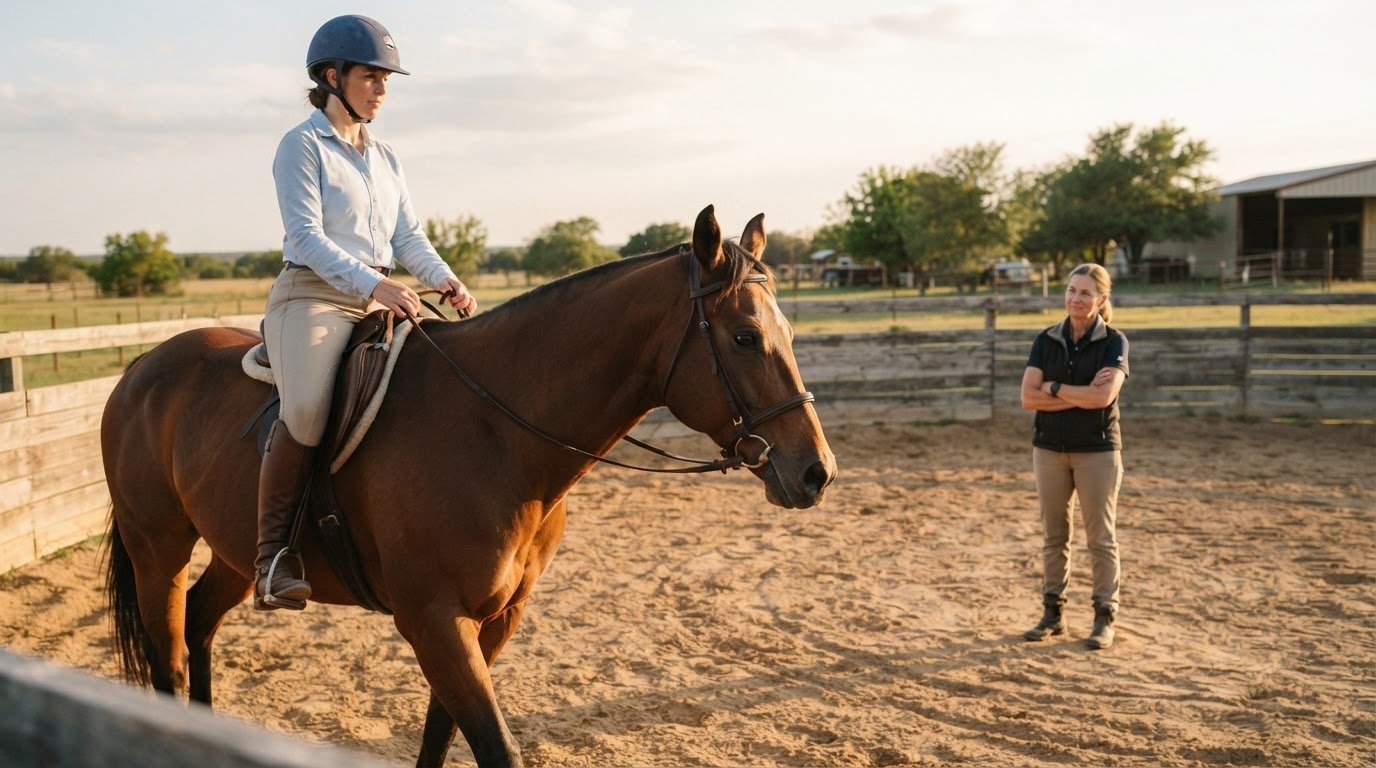
Falls, unexpected horse movement, and poorly adjusted tack are practical risks. A properly fitted riding helmet, heeled boots, and clothing that allows movement are sensible protective choices. Traditional Western clothing includes jeans, boots, long-sleeved shirts, and wide-brimmed hats for outdoor protection. These clothes don’t replace a helmet or careful tack handling. Mount when the horse is settled, and keep your feet clear of the stirrups when dismounting.
Western neck reining and weight shifting
Neck reining uses light rein contact against the horse’s neck to suggest a turn. For example, pressure from the left rein cues a trained horse to move right. The rider usually holds both reins in one hand, leaving the other free for ranch tasks such as handling a rope. Quiet cues support clear communication; pulling harder can obscure the intended direction. The horse learns to respond to the rein’s position, not simply pressure on its mouth.
Seat and weight cues refine the request. To turn, a rider looks toward the path, stays balanced, and allows a subtle weight shift with the movement. Leaning sharply can unsettle the horse rather than guide it. Leg position can reinforce the turn or help maintain forward movement. These small signals matter across Western disciplines, from ranch work around cattle to roping and arena patterns. The goal is coordinated cues, not force.
Reining makes this communication visible in a judged pattern. A horse and rider may perform spins, sliding stops, rollbacks, circles at varying speeds, and lead changes. Each movement depends on the horse responding to precise, often subtle signals. Unlike everyday riding, a reining competition requires a specific sequence and execution. Riders build control gradually: a secure stop or smooth change begins with balance, timing, and consistent cues.
Western riding commonly uses little to no rein contact, with direction guided through seat, weight, and neck reining. A trained Western horse responds to light rein pressure against the neck by changing direction.
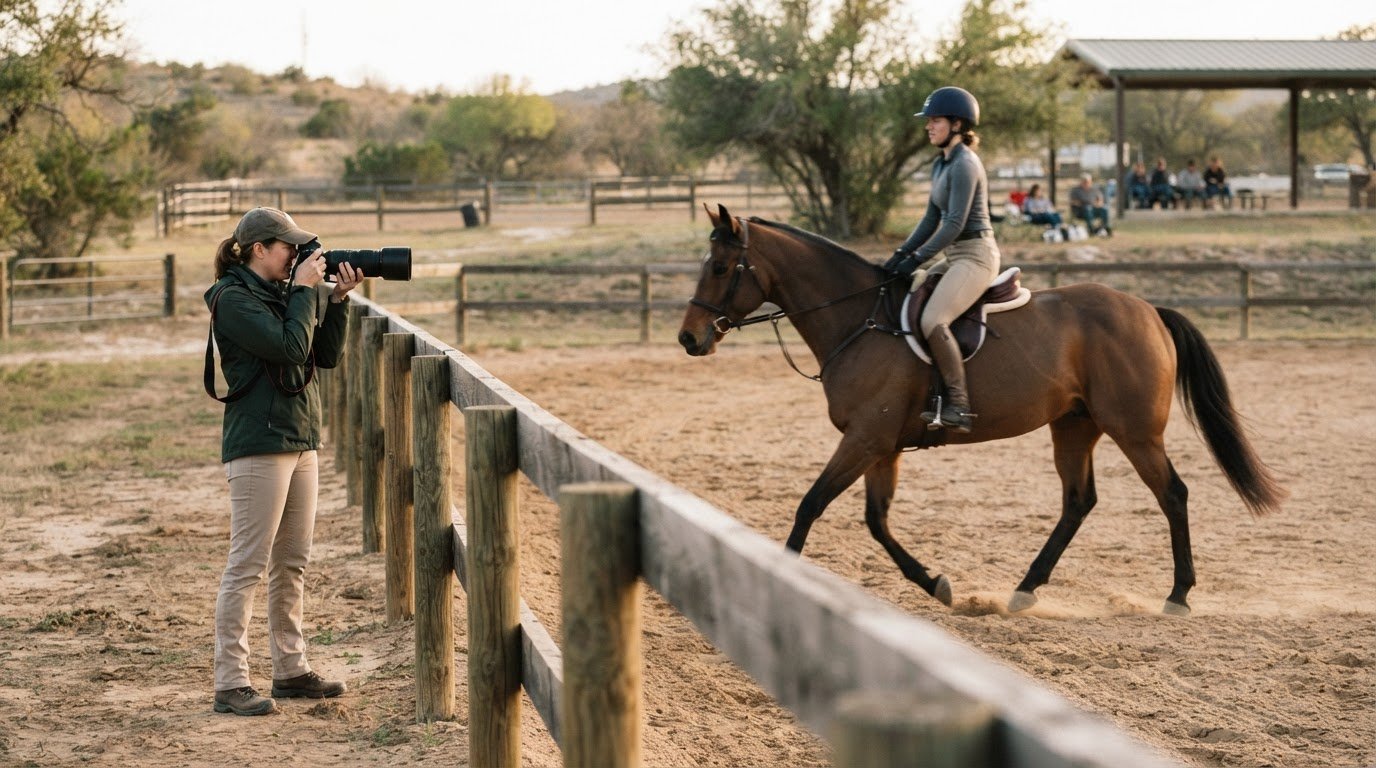
Video can help Western riding students notice body movements and cues they may give their horses unintentionally. Even small rider movements can affect a horse’s performance.
Common Western horse breeds and characteristics
Three breeds commonly associated with Western riding in North America are the American Quarter Horse, American Paint Horse, and Appaloosa. Their names offer useful context, but breed alone can’t tell you whether an individual horse suits a particular rider. Training, temperament, health, and experience all shape the partnership. A horse’s readiness for the activity matters more than its breed label.
The American Quarter Horse is well known for ranch work and Western competition. Its muscular build and short-distance speed suit events such as reining and cattle work. These qualities don’t mean every Quarter Horse has the same skills or disposition. Consider how the individual responds to cues and handles the movements required by the chosen discipline.
The American Paint Horse is recognized for its distinctive coat patterns and appears in ranch and arena settings. Paint refers to a breed, not just a coat pattern, and individual horses vary in build and ability. The Appaloosa is also associated with Western riding and is known for varied coat patterns. Appearance alone doesn’t predict performance or temperament.
A horse’s training and experience are practical factors to consider. A calm, trained Appaloosa may suit a beginner better than an untrained horse of another breed. Western riding includes disciplines such as trail, ranch, and reining, while Western dressage emphasizes coordinated movements. For a course or event, consider how the horse’s skills and temperament fit the rider’s experience.
Texas Equine Education & Horsemanship™
Foundational horsemanship and equine care help riders build skills before focusing on a particular discipline. In Western riding, balance, attentive cues, and thoughtful horse handling support clear communication between horse and rider. Learning these basics can help beginners approach new riding cues with greater awareness and develop familiarity gradually.
Understanding horses and their needs complements time spent learning in the saddle. Connecting care knowledge with riding fundamentals helps learners consider the horse’s needs as part of the overall experience. Progress depends on consistent practice and clear communication. A calm, step-by-step approach can help people beginning horseback riding or deepening their understanding of horsemanship.
Foundational lessons can provide guidance with the basics before riders explore specialized movements or competition patterns. Learning about care alongside riding also helps make the horse’s needs part of the learning process. Texas Equine Education & Horsemanship™ focus on horse handling and rider communication, supporting learners as they develop foundational horsemanship skills.
Frequently Asked Questions
Which Riding Style Is Best for Beginners?
The best starting style is the one that fits your goals and learning preferences. Think about what you hope to do: perform arena patterns, develop ranch skills, or enjoy general horseback riding. You might also consider whether a particular saddle and set of cues feels comfortable as you learn. Clear instruction and steady practice help build a foundation in either style.
What is Western riding and where did it originate?
Western riding developed as horsemen adapted their skills to work and travel across the Americas. Its traditions took shape over time through practical horsemanship, rather than beginning with one inventor or formal school. Indigenous communities, settlers, and ranch workers all contributed to how horses were handled and trained. That varied history helps explain why the style includes both working skills and organized competitions.
What are the main disciplines and events?
Events include cutting, team penning, and working cow horse competitions. In cutting, the rider separates a cow from a herd and lets the horse respond to its movement. Team penning asks a team of three riders to sort marked steers from a herd. Working cow horse competition combines reining and cow work, demonstrating arena control and livestock handling.
What tack and equipment are used for Western riding?
Beyond choosing the main pieces of tack, riders should pay attention to condition and fit. Check leather for cracks, inspect stitching and buckles, and make sure reins are undamaged before use. The saddle pad and cinch should also sit smoothly, without folds or pinching. Well-maintained equipment supports comfortable movement and helps prevent distractions during a ride.
How does this style differ from English riding?
A practical distinction is the kind of task a class asks horse and rider to perform. Some English classes focus on jumping a course or completing dressage tests. Western events may ask pairs to demonstrate livestock skills, maneuver through trail obstacles, or perform a set pattern. If you’re choosing between the styles, consider which activity you’d most like to learn and practice.


Comments