


Mastering Equine Photography: A Professional Guide

A memorable horse photograph does more than capture a moment. It shows the partnership, movement, and character that make the image meaningful. Equine photography ranges from horse-and-rider portraits to action shots at a show, giving owners and riders a way to preserve milestones and share their stories.
It’s natural to wonder what makes these images work and how to find the right photographer for an event or a particular image. This guide explores the purpose and possibilities of horse-and-rider photography, practical ways to plan a session, and how equine photographers can learn from others and develop their skills. Whether you’re seeking images or gaining experience behind the camera, you’ll find a starting point for understanding this specialized field.
Table of Contents
Why take horse and rider photos?
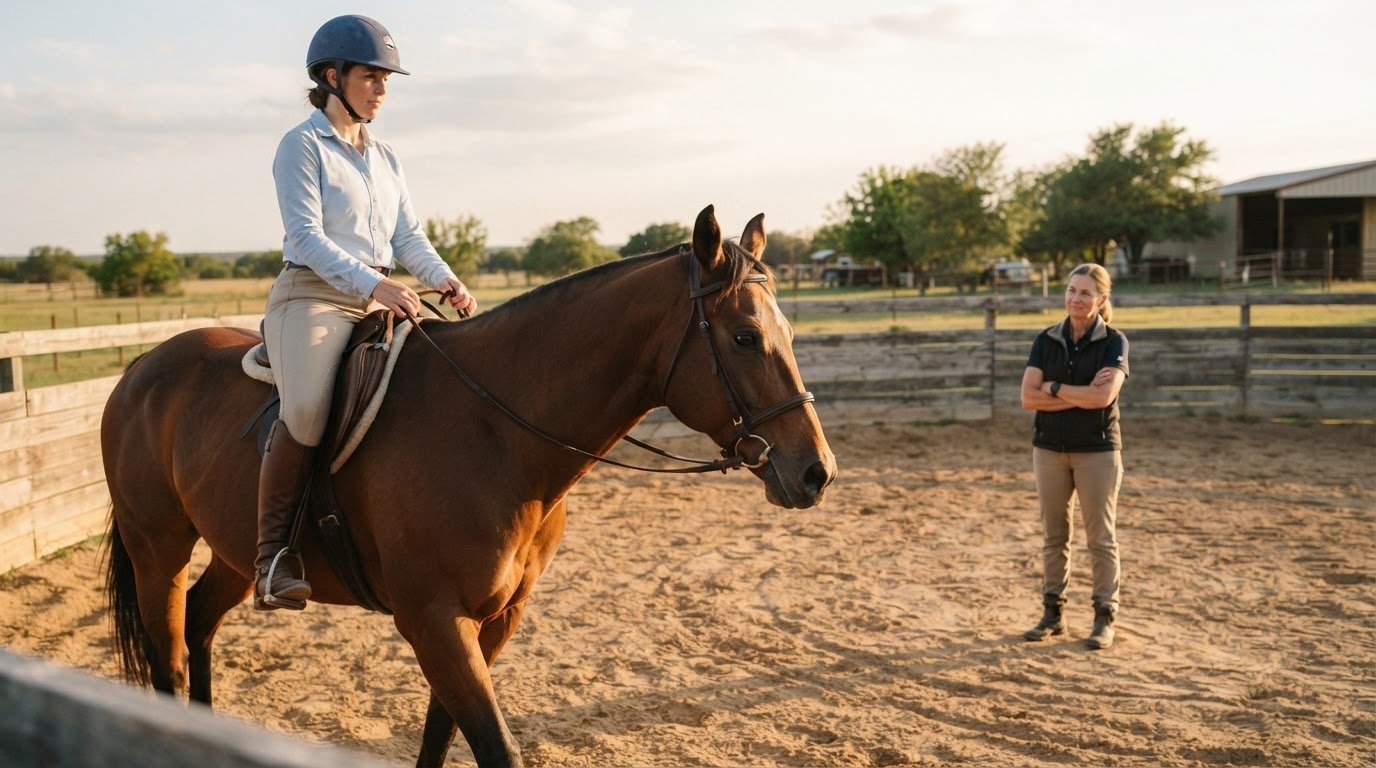
A portrait can preserve the partnership between a horse and the person who cares for and rides them. A quiet moment with a hand on the horse’s neck may express trust differently from an image of the pair in motion at a show. These photographs can mark a first competition, a training milestone, or simply time spent together. Before a session, decide what you want to remember: the horse’s character, the rider’s progress, or their connection. That choice helps guide poses, location, and the images you capture.
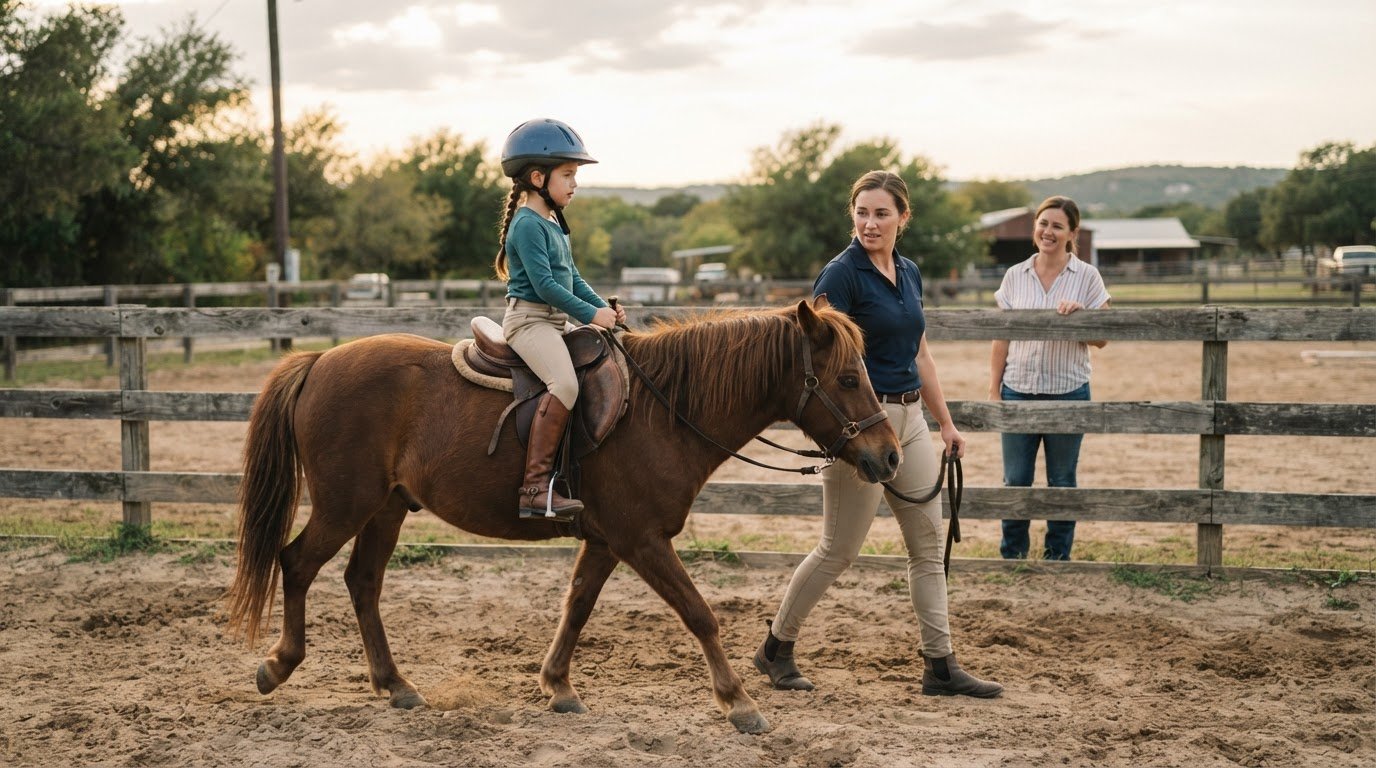
A horse’s behavior shapes a session as much as its appearance. Wide eyes, restless movement, or flicking ears can signal that the horse needs more space or a pause. Breed and build can also inform portrait choices: a draft horse’s broad frame creates a different composition from an Arabian’s refined profile. Treat these as individual differences, not fixed rules. Give the horse time to settle, and let its handler guide safe positioning. A calm, familiar setting can make it easier to capture natural expressions.
Lens choice can influence how a photograph looks. A lens of at least 100 mm can help avoid distortion, while 200 mm can compress the background and create bokeh. A 70-200 mm lens offers flexibility for portraits and action, especially when you need to adjust framing without moving close to the horse. For movement, a shutter speed of 1/500 second or faster is a useful starting point. At a horse show, adjust for available light and the horse’s pace.
Prepare for safety before raising the camera. Have another person assist with the horse, wear boots instead of open-toe shoes, and avoid sitting or lying near the animal. Horses can weigh more than 1,000 pounds, so keep a safe position and watch body language. For permissions and contracts, agree in writing with the client about the session, image use, and delivery. Get the horse owner’s and venue’s permission where relevant, and clarify who may share or publish the photographs.
Finding photographers for events and image requests
Start with the image you need: a horse-show action sequence, a quiet portrait, or a photograph of a particular horse and rider. For event coverage, search by event name and discipline, then review galleries featuring similar settings and movement. A dressage test and a fast-moving jumping round call for different moments and compositions. Someone at the barn may know which photographers have experience in that setting. For a personal image, note the horse, rider, location, preferred style, and intended use before discussing the session.
Clarify image use and delivery at the outset. An event gallery serves different needs from a commissioned portrait, and personal sharing differs from promotional use. Agree on the images you want, how they’ll be delivered, and whether prints or wall art are part of the plan. For a print, consider the room, viewing distance, and whether a close portrait or wider scene best suits the space. A detailed action image may look different on a large wall than on a phone screen.
For horses in motion, use a shutter speed of 1/500 second or faster as a starting point. In dim arenas, raise ISO to help maintain that speed, while remembering that higher ISO can add visible image noise. A wider aperture, indicated by a lower f-number, admits more light but reduces depth of field. At the 2014 FEI World Equestrian Games, ISO 3200 was used to achieve 1/800 second indoors. These settings are starting points, not fixed recipes.
Before choosing an image for print, inspect the focus on the horse’s eye, coat detail, and rider’s position. Noise that seems subtle on a small display may become more noticeable in an enlarged print. Ask for a preview at the intended viewing size when available, and compare options under the lighting where the artwork will hang. Planning these details early helps match the photographer’s coverage and image choices to the event or keepsake you have in mind.
Equine photographer community and professional development
The Equine Photographers Network was established in 2000 and welcomes members of all skill levels who share an interest in horses and photography. A community can make learning less solitary. Photographers can discuss a challenging arena background, compare approaches to capturing movement, and exchange thoughtful feedback. Beginners can learn how experienced photographers read horse movement, while established professionals can consider fresh perspectives during varied sessions.
Make peer learning practical by bringing one specific image or question to a discussion. For example, ask how a photographer kept a horse’s expression sharp against a busy show background. A useful critique can examine focus, timing, framing, and the horse’s comfort, rather than simply calling an image beautiful. In return, explain what you intended to capture and what happened during the session. Clear context helps others offer advice you can use next time.
Professional development also benefits from a deliberate portfolio. Group images by purpose, such as relaxed portraits, competition action, or horse-and-rider connection. Then identify a skill to strengthen, such as anticipating a canter stride or balancing a bright horse against a dark background. Practice that skill in a low-pressure setting before relying on it at an event. Reviewing a series of images can reveal patterns that a single favorite frame might hide.
Community connections can support both photographic craft and professional judgment. A photographer might learn from another member’s experience planning a session to photograph a client’s horse, then refine their own approach. Discuss clear expectations, respectful handling, and consistent delivery as part of the work. Keep a simple record of feedback and techniques tested at each session. Turn each exchange into a practical experiment, then review the images and carry the lesson forward.
Choosing an image is also a chance to decide what you want to carry forward: a record of a partnership, a meaningful milestone, or a moment that reflects your horse’s character. Let that purpose guide your next step in equine photography, whether you’re planning a personal portrait or exploring how equine art represents horses and their place in people’s lives. Texas Equine Education & Horsemanship™ presents the Equine Expression & Heritage Art Show, a related resource for learning about equine art. The show’s name reflects its focus on equine expression and heritage. Every thoughtful image begins with attention to what matters to you and your horse. Keep that focus, and let your next photograph tell a story worth remembering.
Frequently Asked Questions
What is equestrian photography?
Equine photography documents horses, riders, and their activities, from everyday interactions to organized competitions. It may focus on a rider’s technique, a horse’s movement, or the partnership between them. For example, a photographer at a dressage event might capture a particular movement, while a barn portrait can show a horse in a familiar setting. The subject and purpose shape the images.
What is equine photography and what styles are popular?
Equine photography includes portraits, competition images, and candid scenes of horses with their people. A formal portrait might emphasize a horse’s conformation, while a lifestyle image could show a rider grooming her horse. Action photography captures movement during a ride or event. The style depends on the story, setting, and intended use, so choose an approach that feels right for the subject.
What camera equipment and lenses are best for horse photography?
A camera with responsive autofocus and a telephoto lens can help photograph horses from a comfortable distance. A versatile 70-200 mm lens can frame both portraits and action, while a longer focal length can suit tighter compositions. Bring spare batteries and memory cards for extended sessions. For motion, begin with a shutter speed of 1/500 second or faster, then adjust for light and movement.
How do you safely photograph horses and approach them on location?
Ask the horse’s handler to stay nearby, and follow their direction rather than approaching without guidance. Wear boots, keep a clear path away from the horse, and watch for signs of tension, such as restless movement or wide eyes. Don’t sit or lie close to the animal. Pause or reposition when the horse needs space, and keep the session calm and manageable.


Comments