


Foundational Horsemanship Course: A Ground-Up Guide to Equine Success

What if the most important part of riding a horse actually happens before you ever put a foot in the stirrup? It's natural to feel a sense of uncertainty or even a lack of control when you first begin your journey with these powerful animals. You might worry about making a mistake that could cause harm, or perhaps you feel overwhelmed by the complex technical terms used in the stable. Enrolling in a foundational horsemanship course provides the steady ground you need to move past these hurdles and build a relationship based on mutual respect and clarity.
True horsemanship is less about physical strength and more about a shared language. We understand that your goal is to feel safe and connected, rather than simply following a list of commands. In this guide, you'll discover how starting from the earth up allows you to understand horse behavior deeply and learn the reasons behind their reactions. We will look at the essential skills that transform fear into confidence, ensuring you feel ready to handle a horse safely without constant supervision. This journey is about building a partnership rooted in trust, turning every interaction into a peaceful and transformative experience for both you and your horse.
Table of Contents
What is Foundational Horsemanship and Why Does it Matter?
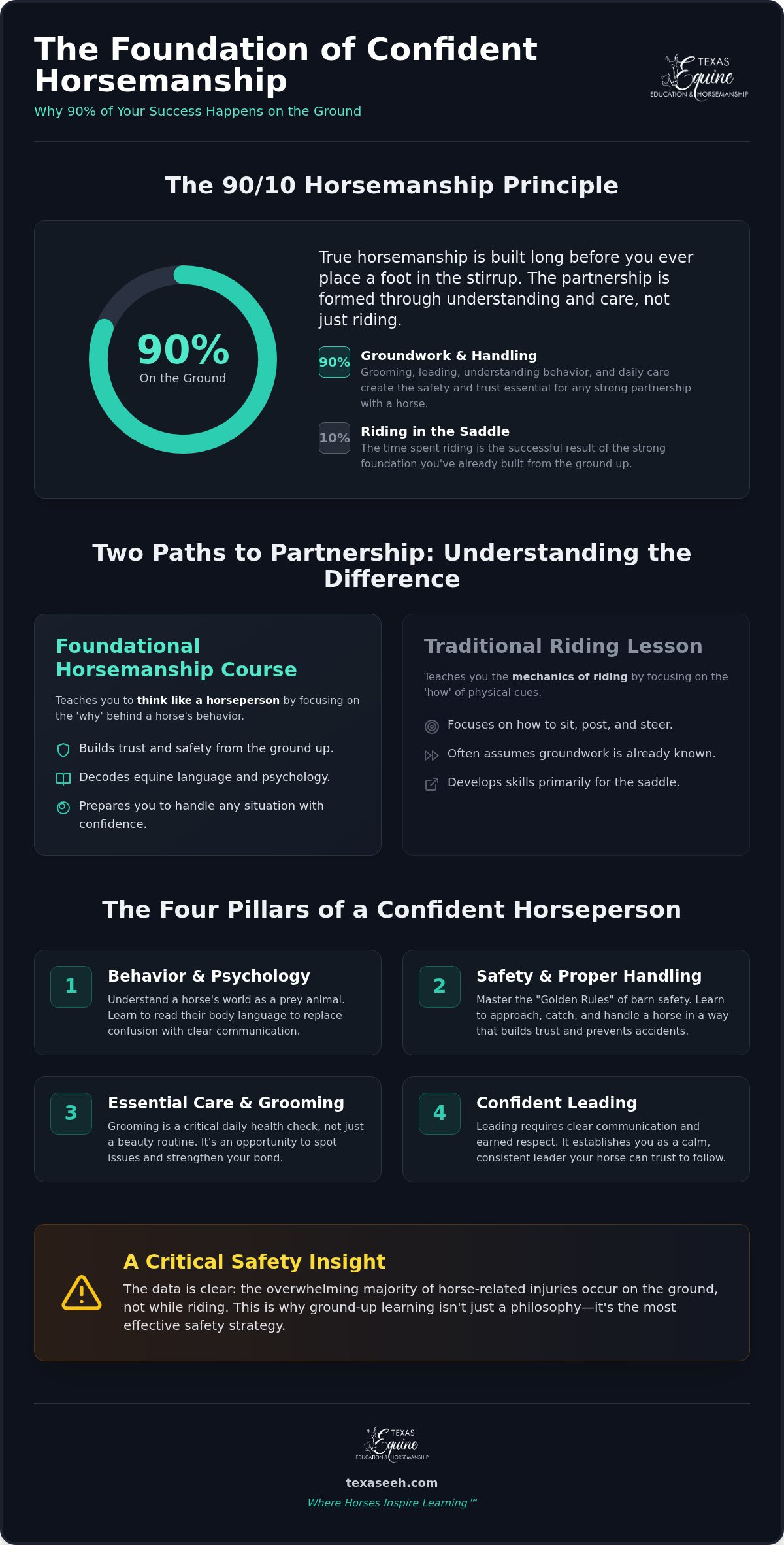
Foundational horsemanship is the study of horse behavior, safety, and ground handling before any riding ever begins. It's the practice of understanding why a horse moves, reacts, and communicates the way it does, so that every interaction you have with these animals is grounded in knowledge rather than guesswork. A foundational horsemanship course doesn't start in the saddle. It starts on the ground, where real understanding is built.
Here's a perspective that surprises most beginners: sitting on a horse represents roughly 10% of the total horsemanship experience. The other 90% happens before you mount, after you dismount, and in every moment you spend in a horse's presence. Grooming, leading, reading body language, and responding appropriately to stress signals, these are the skills that determine whether your time with horses is safe and rewarding or unpredictable and stressful.
This is the core of the Education First philosophy. Knowing the why behind a horse's behavior doesn't just make you a better handler; it actively prevents accidents. When you understand that a horse pinning its ears signals discomfort rather than stubbornness, you respond with awareness instead of frustration. That single shift in perspective changes everything.
A riding lesson and a horsemanship course are not the same thing. A riding lesson teaches you to sit, post, and steer. A horsemanship course teaches you to think like a horseperson, giving you the tools to handle any situation that arises, on the ground or in the saddle.
The Building Blocks of Equine Literacy
Learning horsemanship is genuinely like learning a new language. Horses communicate constantly through ear position, tail movement, posture, and breath. Building fluency in this language creates a safety net for both you and the horse. For younger learners, The Reading Rein™ is a thoughtful way to begin developing this literacy early, weaving equine education into foundational reading skills so children grow up understanding horses from the inside out.
Why Groundwork is the Most Important Skill
The data on horse-related injuries is clear: the overwhelming majority occur on the ground, not in the saddle. Missteps during leading, grooming, and handling are far more common than riding accidents, which is precisely why "Ground-Up" learning isn't just a philosophy; it's a safety strategy. When a horse views you as a calm, consistent leader rather than an unpredictable presence, it relaxes. That relaxation is earned through patient, intentional groundwork, and it's the foundation every confident rider stands on.
The Core Pillars of a Foundational Horsemanship Course
The journey to becoming a confident horseman or horsewoman is built on four central pillars: Behavior, Grooming, Leading, and Basic Health. These aren't just introductory topics; they are the structural support for any advanced pursuit, including the Equine Industry Readiness Program™. Whether you dream of jumping in an English saddle or roping in a Western one, these skills are universal. We use a step-by-step approach to ensure that every handler feels empowered and ready for the next level of their development.
Understanding Equine Behavior and Psychology
Safety Standards and Proper Handling
Safety in the barn is a priority that stems from awareness. Our "Golden Rules" focus on maintaining your personal space and using equipment correctly. You'll learn how to approach and catch a horse by moving toward the shoulder rather than the face, a simple shift that builds immediate trust. A common beginner mistake is standing in a horse's blind spots, such as directly behind them or under their nose, without announcing your presence. Learning these nuances ensures that the horse feels secure in your care.
Essential Equine Care and Grooming
Grooming is far more than a beauty routine; it's a vital daily health check. Every brush stroke is an opportunity to feel for heat, swelling, or changes in the coat. In our Equine Care Classes, we dive deeper into identifying healthy indicators in a horse's eyes, breath, and hooves. This holistic approach ensures you aren't just a rider, but a dedicated advocate for the animal's well-being. If you're ready to start your journey, exploring our educational programs is a wonderful first step toward a lasting partnership.
Practical Applications: From the Ground to the Saddle
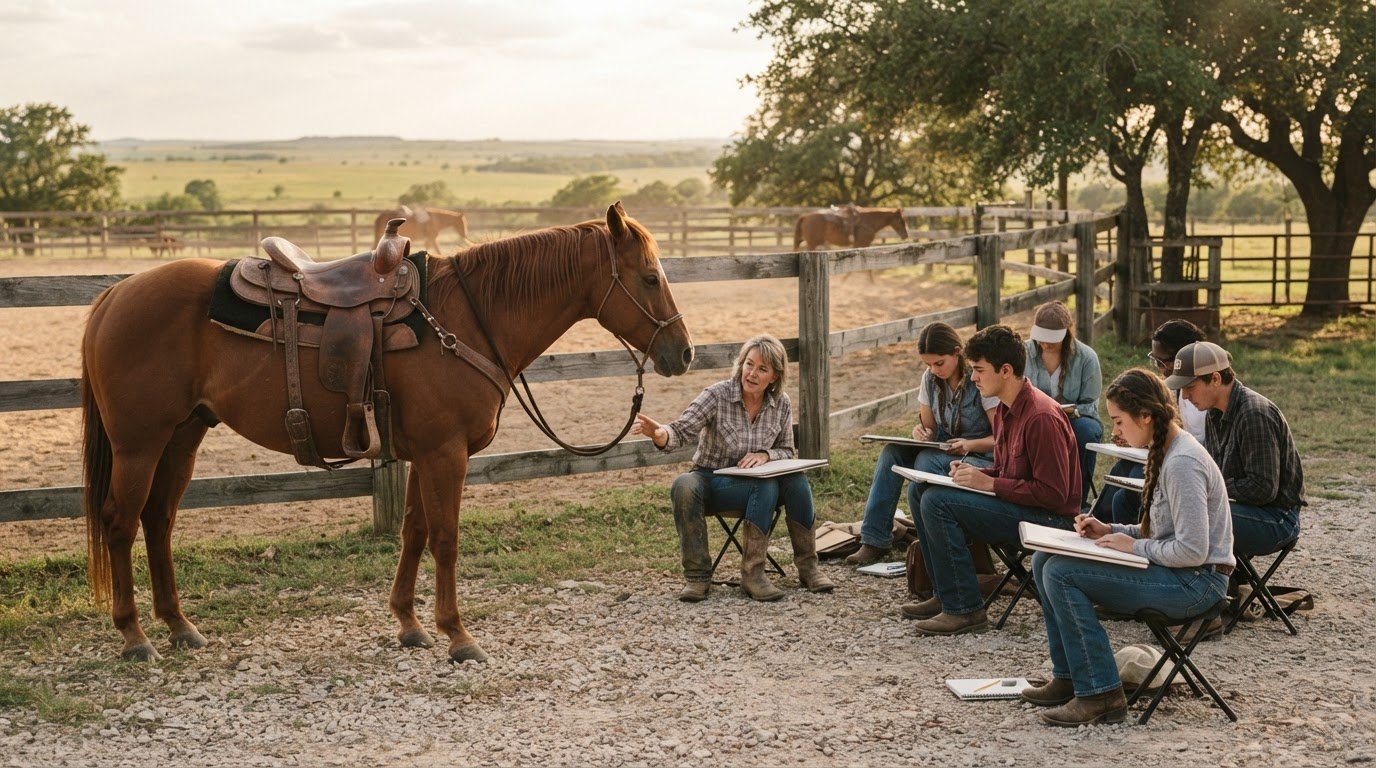
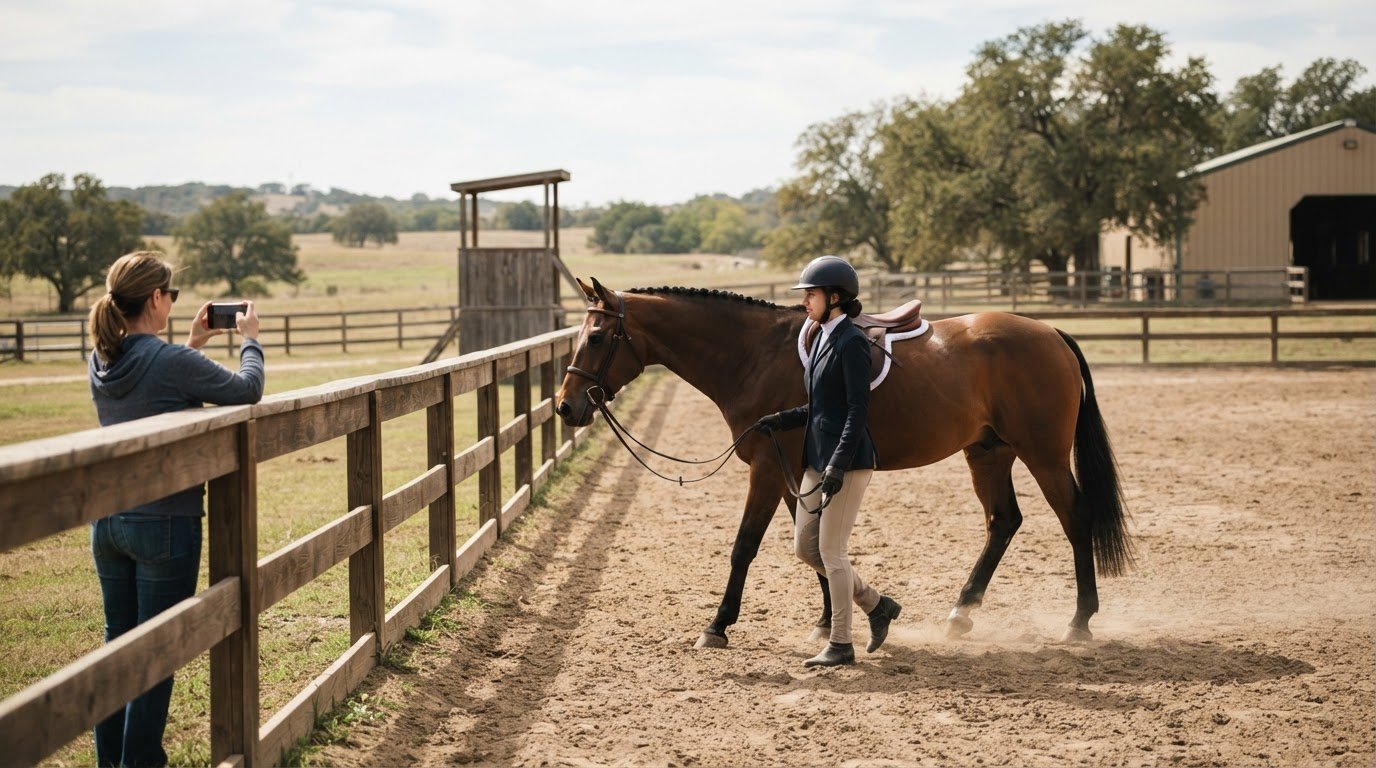
A horse that is unhurried and attentive while being led is much more likely to be responsive once you are in the saddle. This progression is a natural evolution of the trust you've built during your initial training. Groundwork cues, such as asking a horse to move their hindquarters or back up, translate directly into the leg and rein aids used during a ride. Completing a foundational horsemanship course ensures you don't skip these vital steps, allowing you to reach a state of readiness before attempting advanced maneuvers. These skills aren't just for practice; they are celebrated. You can see these principles in action at the Horse & Rider Showcase™, where the harmony between human and animal is the primary focus.
Developing a "Soft Feel" and Clear Communication
The concept of "Pressure and Release" is the heartbeat of effective communication. When you ask a horse to move, you apply a small amount of pressure; the moment they respond correctly, you release it. This release is the "thank you" that tells the horse they've done well. Your body language and energy levels play a massive role here. If your energy is high and tense, the horse will mirror that anxiety. Conversely, a calm and steady presence invites the horse to relax. Texas Equine Tip: Practice your "leading" energy every time you walk with your horse. If you can lead with a loose rope and a calm heart, you're already halfway to a successful ride. These same principles of timing and clarity are vital when training other animals; for those working with dogs, Educator Collars offers advanced remote systems that help reinforce these concepts with precision.
Preparing for Professional Paths
For those looking beyond the hobbyist level, these skills are non-negotiable. A foundational horsemanship course often serves as a prerequisite for more advanced Equine Industry Certification. Professional barn managers and trainers don't just look for flashy riding; they value handlers who possess a deep understanding of equine behavior and safety. Internships provide the necessary bridge to move from the classroom to a professional environment, ensuring you're ready for the demands of the industry. If you're ready to turn your passion into a career path, consider exploring our Equine Industry Readiness Program™ to begin your professional journey.
How to Choose the Right Horsemanship Path
Selecting a path in the equine world should feel like an open invitation to growth rather than a high-pressure commitment. A quality foundational horsemanship course is distinguished by an unhurried pace and a safety-first mindset. Unlike a random "trail ride" where the focus is often just on the destination, a structured curriculum prioritizes the "why" behind every interaction. This methodical approach ensures that you aren't just a passenger; you become a knowledgeable partner to the animal.
Look for instructors who act as patient mentors and value the emotional well-being of both the horse and the student. This environment is essential for learners of all ages. Whether you are starting with Tiny Tot Lessons or beginning your journey as an adult, the principles of respect and stability remain the same. Progress is a step-by-step endeavor, and the right program will honor your individual pace.
Virtual vs. In-Person Learning
Modern learning allows you to build your knowledge base in a way that fits your unique schedule. Virtual Education Thursdays offer a wonderful opportunity to study theoretical foundations, such as equine anatomy and behavior, from the comfort of your home. Did you know that understanding the mechanics of how a horse sees and moves can be learned from anywhere in the world? Once you feel steady in your understanding, transitioning to hands-on sessions at a learning center feels much more natural and less intimidating.
Continuing Your Educational Journey
Completing your initial foundations is just the beginning of a lifelong relationship with horses. From there, you might choose to explore specialized disciplines like English or Western riding, or even delve into equine-inspired art and heritage. Staying connected with the community through online shows and events helps maintain your momentum and confidence as you grow. We invite you to explore additional educational resources to start your journey today. Your development is a beautiful process, and we are here to support you at every turn.
Your Path to a Trusting Partnership
Horsemanship is more than a skill; it's a shared language that begins with a single step on the ground. By choosing a foundational horsemanship course, you're making a commitment to understanding the "why" behind every movement. This approach builds the safety, communication, and confidence needed to move from the barn aisle to the saddle with ease. We've seen how ground cues and behavioral literacy form the bedrock of a successful and tranquil relationship with these powerful animals.
At Texas Equine Education & Horsemanship, we believe in an unhurried, family-friendly environment "Where Horses Inspire Learning™." Whether you engage through our literacy programs or our weekly virtual sessions, you're joining a community dedicated to professional growth and emotional well-being. You deserve to feel safe and empowered in every interaction. Continue your learning with our foundational horsemanship resources and start building the bond you've always dreamed of. We are excited to be part of your journey toward equine success.
Frequently Asked Questions
What is the difference between a riding lesson and a foundational horsemanship course?
A riding lesson focuses primarily on mounted skills like steering and gait control, while a foundational horsemanship course teaches the "why" of horse behavior and ground safety. It's the difference between learning to drive a car and understanding how the engine works and how to maintain it. This holistic approach ensures you're prepared for every aspect of horse care, not just the time spent in the saddle.
Can I take a foundational horsemanship course if I have never touched a horse before?
Yes, you can absolutely begin your journey with zero previous experience. These programs are specifically designed to be a gentle entry point for those who feel uncertain around large animals. We start with the very basics of approaching and touching a horse safely, ensuring you build confidence at a pace that feels comfortable and secure for your individual needs.
How long does it typically take to complete a foundational horsemanship program?
The duration of a program varies based on your goals, but many structured curricula are offered in eight-week segments to allow for thorough absorption. A foundational horsemanship course is a journey rather than a destination. While you can learn basic safety in a few sessions, mastering the nuances of equine communication takes consistent, unhurried practice to prevent overwhelm and encourage deep understanding.
Are foundational horsemanship skills relevant for both English and Western riding?
Foundational skills are entirely universal and apply to both English and Western disciplines. Whether you plan to compete in dressage or go trail riding in a Western saddle, the horse's anatomy and psychology remain the same. Learning how to read a horse's body language and establish leadership on the ground is the essential first step for any rider, regardless of their chosen equipment.
Do children need a different type of foundational course than adults?
While the core principles of safety and respect are identical, children and adults often benefit from different instructional methods. Youth programs focus on age-appropriate vocabulary and engagement through play or storytelling. Adult courses tend to dive deeper into the technical "why" of behavior, but both groups follow the same step-by-step building process to ensure a stable and supportive learning environment.
Can foundational horsemanship be learned through virtual or online classes?
You can learn a significant portion of horsemanship through virtual or online classes. Theoretical foundations like anatomy, health indicators, and behavioral psychology are perfectly suited for a digital format. Starting with virtual education allows you to arrive at the barn with a wealth of knowledge. This reduces anxiety and increases your overall safety during your first in-person handling sessions.


Comments